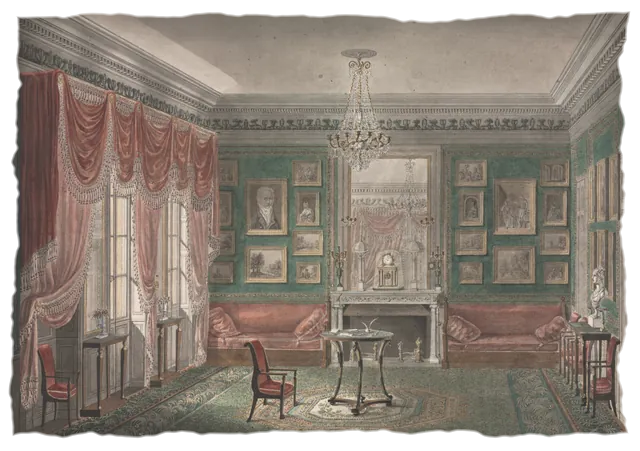
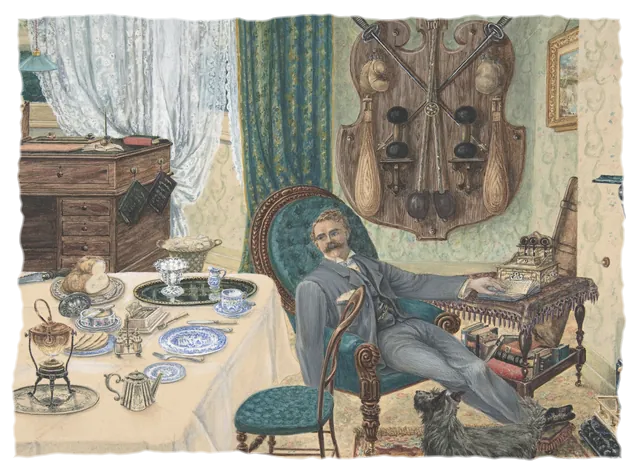
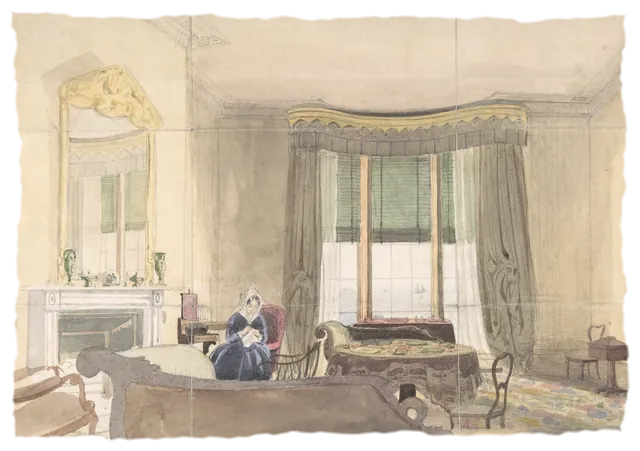
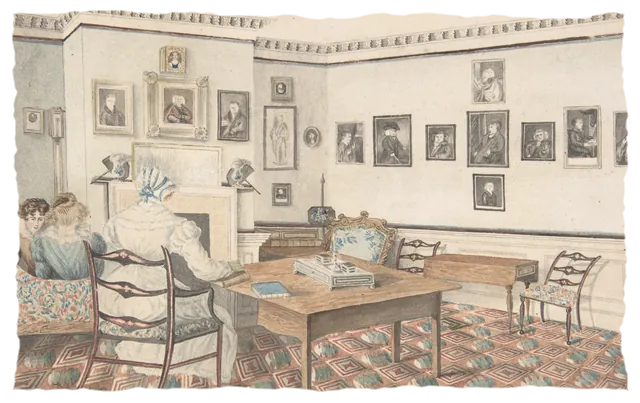
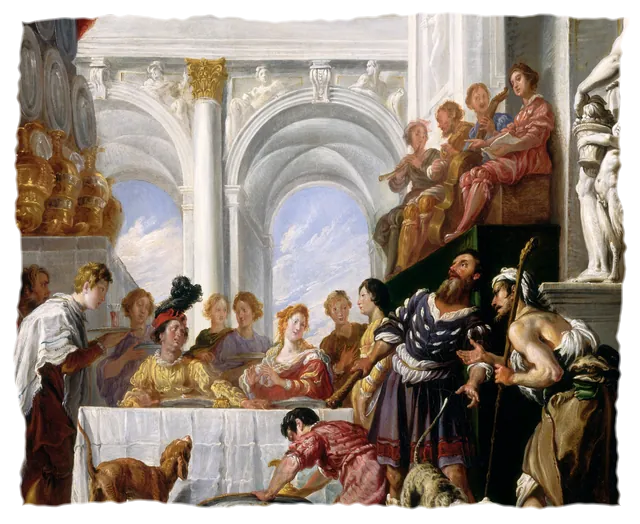
A private club, a place of ambition and discretion, of a long table and an unhurried evening.
Behind a door, the house keeps its rooms for members alone: a dining room, a party room, a working room with the door closed.
Its history begins in Belgrade on the ninth of May, 1911, with a dinner, a toast and an agreement.
What has been kept since is simple: a small company chosen with care, and the habit of making time for one another, as time being the most precious currency.
The Club keeps few rules, but it keeps them. These are the customs its members observe.
IXII
Discretion
What is said at the table stays at the table. Members do not speak for the Club, nor of one another, beyond its company.
IIXII
Introduction
No one applies. A member may introduce a friend; the members decide together, and without haste.
IIIXII
The Table
The life of the Club is a shared table. Seats are not assigned, and no one is left to dine alone.
IVXII
The Host
Each gathering has a host among the members, who chooses the place, the hour and the menu, and whose word on the evening is final.
VXII
Guests
A member may bring a guest when the host agrees, and answers for that guest as for themselves.
VIXII
Photographs
Nothing is photographed or shared from a gathering without the consent of everyone in the picture.
VIIXII
Dress
Dress follows the occasion and the host’s note. Care is expected; display is not.
VIIIXII
The Hour
The hour named by the host is the hour kept. A member who is delayed sends word ahead.
IXXII
Telephones
Telephones are kept out of sight at the table. Calls are taken elsewhere, and briefly.
XXII
No Business
Nothing is sold, solicited or pitched between members at the Club’s table. Friendship is not traded upon.
XIXII
Correspondence
The Club writes rarely and in private. An invitation is addressed to one person, and is not passed on.
XIIXII
The Ninth of May
Each year the Club marks the day of its founding with a dinner among its members.
The roll of members is short, and published only with each member’s consent.